


BLOG AND UPDATE
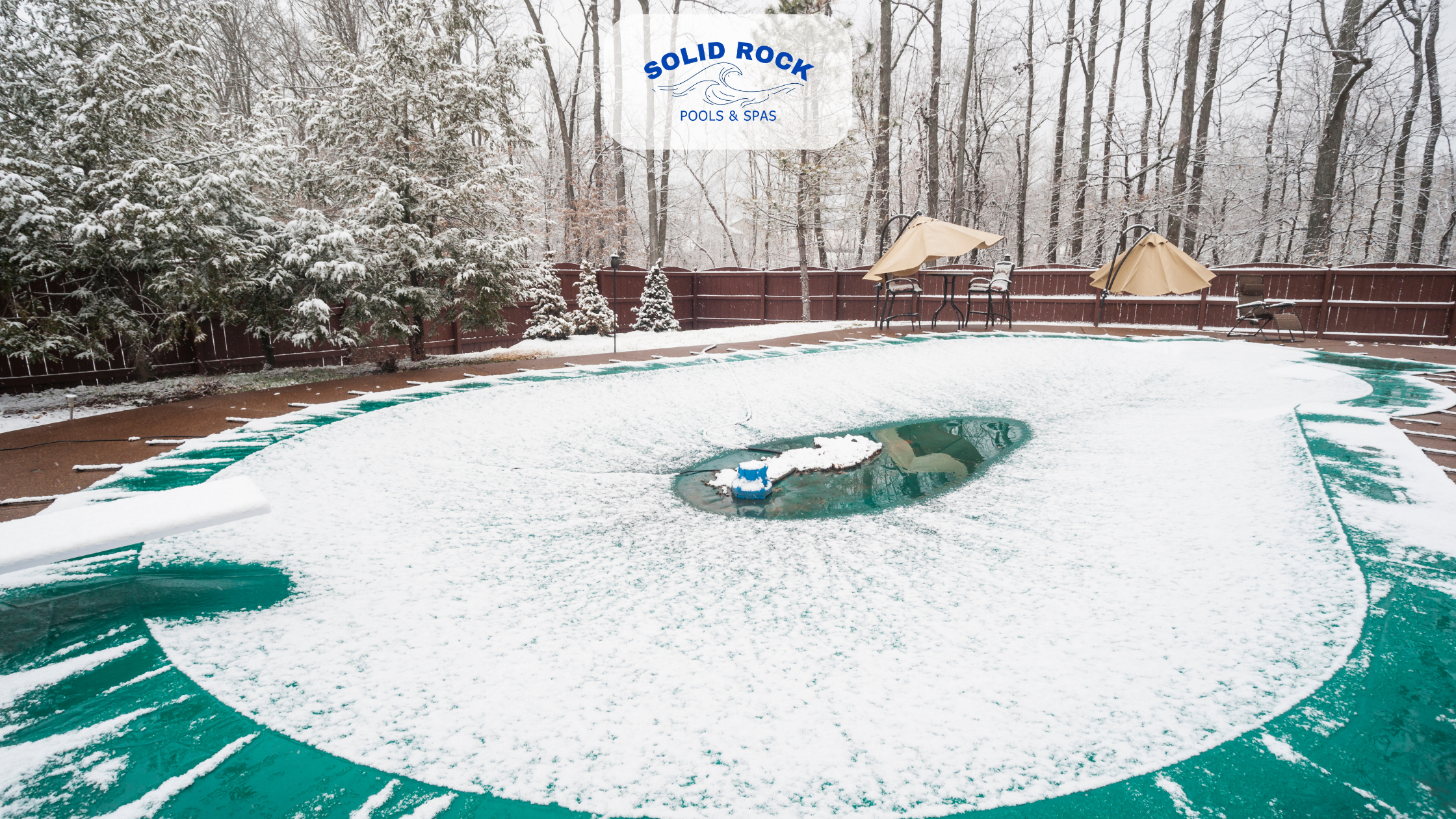
Winterizing Your Backyard Plunge Pool: Top 5 Tips
When it's time to close your backyard plunge pool for the winter, there are a few key steps to take to ensure that it stays in good condition until next season. Winterizing your backyard plunge pool doesn't have to be a daunting task. Start by balancing the water chemistry, ensuring total alkalinity and pH levels are within their ideal ranges, and don't forget to shock your pool. By following these top 5 tips for winterizing your backyard plunge pool, you can rest assured that your pool will be ready to go when the warmer weather returns.
Key Takeaways
- Balance water chemistry, maintaining total alkalinity and pH levels, and shock pool before covering.
- Lower the water level below the skimmer to prevent freeze damage.
- Clean the pool, removing debris and brushing walls, then cover it securely.
- Drain and blow out the plumbing to protect from freezing, insulating exposed pipes.
- Inspect and repair any cracks, leaks, or damage to the pool structure and equipment.
Balance Water Chemistry
Before winter sets in, it's crucial you test and adjust your plunge pool's water chemistry, ensuring the alkalinity, pH, and chlorine levels are within the recommended ranges to prevent damage and algae growth. Keeping total alkalinity between 80-120 ppm is vital for balanced water chemistry. It stabilizes the pH levels, making it easier for you to maintain a healthy pool environment. Your pH levels should be between 7.4-7.6. This range prevents corrosion and scale buildup, protecting your pool's surfaces and equipment.
Don't forget to shock your pool and adjust the chlorine levels before covering it for the season. Shocking kills any lingering bacteria and clears the water, while the right chlorine levels deter algae growth during the cold months. If you're unsure about the correct chemicals or quantities, seek guidance from your local pool retailer. They can provide specific recommendations tailored to your plunge pool's needs.

Lower Water Level
After ensuring your pool's water chemistry is balanced, it's time to lower the water level below the skimmer to guard against freezing and ice damage. This step is crucial for protecting your pool walls and equipment throughout the winter months. By maintaining a lower water level, you're preventing potential damage caused by ice expansion, which can be a significant issue in colder climates.
Lowering the water level is also essential if you're using a solid winter pool cover. This prevents water from pooling on top of the cover, which can lead to a multitude of problems, including a collapsed cover or unwanted strain on your pool structure. However, it's important to avoid over-lowering the water level. Dropping it too much can put undue stress on your pool walls and floor, leading to cracks or other structural issues.
Clean and Cover
Ensuring your plunge pool remains pristine over winter starts with a thorough cleaning and securing it with the right cover. You'll want to begin by removing any debris from the water. Leaves, twigs, and the like can decay over the cold months, leading to algae growth and murky water. It's not just about skimming the surface; you've got to brush the pool walls and floor too. This effort eliminates dirt and any algae spores clinging on, which are prime culprits for turning your pool into a swamp under the snow.
After you've got the pool looking spotless, it's time to focus on the cover. Choosing a suitable cover is crucial; it's your pool's winter armor. A good quality cover prevents leaves and debris from getting into the pool, significantly reducing the risk of contamination. It also helps maintain the water quality and protects the pool structure from damage.

Protect the Plumbing
Now that your plunge pool is clean and covered, it's time to focus on protecting the plumbing from winter's harsh conditions. The first step is to drain all water from the pipes and plumbing system. This is crucial because any water left can freeze, expand, and cause the pipes to crack or burst, leading to expensive repairs.
To ensure all water is removed, use an air compressor to blow out any remaining water in the plumbing lines. This might seem like a tedious step, but it's essential for safeguarding your pool's plumbing against freezing temperatures.
After you've drained the water, don't forget to insulate exposed pipes. You can use pipe insulation or foam covers, which are effective and easy to install. This added layer of protection helps prevent any residual water from freezing.
Additionally, consider adding pool antifreeze to the plumbing. This is especially useful for parts of the plumbing that are difficult to completely dry out. Just make sure it's a non-toxic antifreeze designed for pools.
Lastly, protect valves, fittings, and other vulnerable areas with insulated covers or wraps. These areas are often overlooked but are critical to the overall protection of your pool's plumbing system during the winter months.
Inspect and Repair
Have you checked your pool for any signs of damage, such as cracks or leaks, before the cold sets in? Inspecting your backyard plunge pool is a critical step in the winterization process. Start by examining the pool structure for any visible damage. Cracks and leaks can lead to significant issues if not addressed before winter. It's not just the pool's surface you need to worry about; dive into checking the filtration system and pump as well. Any issues with these components can compromise the pool's cleanliness and functionality.
Next, take a close look at the pool's tiles, liners, or any surfaces. Repairing damaged areas is essential to prevent water loss and further deterioration during the cold months. Ensure that all seals, gaskets, and connections are tight and secure. Loose parts can lead to leaks and other problems that could worsen over the winter.
Addressing these potential areas of water loss or damage isn't just about fixing what's already wrong; it's about preventing further issues. By tackling these repairs now, you'll save yourself a lot of hassle and potential expense when it's time to open your pool again in the spring.
Frequently Asked Questions
How Do You Winterize a Plunge Pool?
To winterize your plunge pool, start by cleaning it and balancing the water chemistry. Then, lower the water level, remove and store equipment, and protect pipes with antifreeze. Finally, cover the pool securely.
What to Do Before Winterizing a Pool?
Before winterizing your pool, you'll want to clean it thoroughly, balance the water chemistry, and lower the water level. Don't forget to drain and store all pool equipment safely to avoid any freeze damage.
How Do I Keep My Plunge Pool Cold in the Summer?
To keep your plunge pool cold in the summer, you can use a pool chiller, install a shade sail, choose a light-colored finish, plant surrounding trees for natural shade, and cover it when not in use.
What Chemicals Do You Put in a Pool When You Close It for the Winter?
When you're closing your pool for winter, you'll add winterizing chemicals like algaecide, pool enzymes, and a winter pill. Don't forget chlorine tablets to shock it, ensuring a clean, algae-free pool until spring.

Conclusion
As you've tackled each step to winterize your backyard plunge pool, from balancing the water chemistry to protecting the plumbing, you're all set for the colder months. Remember, it's crucial to inspect and repair any issues now to avoid bigger problems later. By taking these actions, you're ensuring your pool stays in top shape, ready for another season of enjoyment. So, pat yourself on the back—you've just secured another year of cherished backyard memories.
Looking for Backyard upgrade ?
Experience the best in pool and spa construction with Solid Rock Pools & Spas. We guarantee a seamless building experience tailored to your needs. Don't wait—call us today to get your personalized quote and start your journey to backyard bliss!

Follow Us:

Solid Rock Pools & Spas guarantees to bring you the best construction experience possible.
Call today to get a quote!

Featured on Findmypoolbuilder.com

Get In Touch
Need to reach us? Shoot us and email or give us a call today.
699 Metromont Road, Hiram GA 30141
Follow Us:
Solid Rock Pools & Spas guarantees to bring you the best construction experience possible. Call today to get a quote!
Featured on Findmypoolbuilder.com
Get In Touch
Need to reach us? Shoot us and email or give us a call today.
699 Metromont Road, Hiram GA 30141
Sign up For Our Newsletter
Subscribe to our newsletter to get our newest articles instantly!